2000 Years of Traffic. Part 5 – A Thin Winding Ribbon of Gravel
In 1732, the existing road in winter being “in many places impassable to waggons and carriages”, 93 merchants and landowners obtained from Parliament power to

In 1732, the existing road in winter being “in many places impassable to waggons and carriages”, 93 merchants and landowners obtained from Parliament power to
After the Romans, the first road builders locally were the monks of Basingwerk Abbey, which held the Manor of Glossop till 1433. They didn’t, though,
Salt is now out of fashion. However, until the 18th century it was a vital household commodity. Farmers couldn’t feed all their livestock through winter
We’re not the first to think our roads aren’t fit for purpose. In the 17th century there were lots of complaints that they were narrow,
Around 70 AD the Brigantes, the dominant tribe in Northern England, rebelled against the Romans. To contain and then suppress them the Roman army built
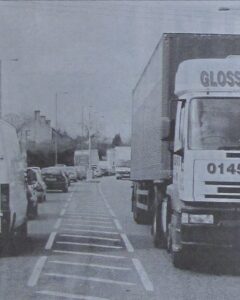
INTRODUCTION Victorian romantics painted pre-industrial Glossopdale and Longdendale as a remote, inaccessible, largely uninhabited wilderness. It’s true there weren’t many people, but those there were
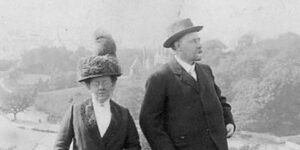
This article was written by E. Paul Beckmann, a great grandson of Isaac and Harriet Jackson, in commemoration of the 100th anniversary of the death
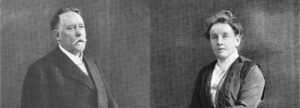
Inventor and Welfare Reformer, Benefactors and Freemen of Glossop A Hyde Lad Isaac Edward Jackson was born in 1858, the youngest son of Horace and

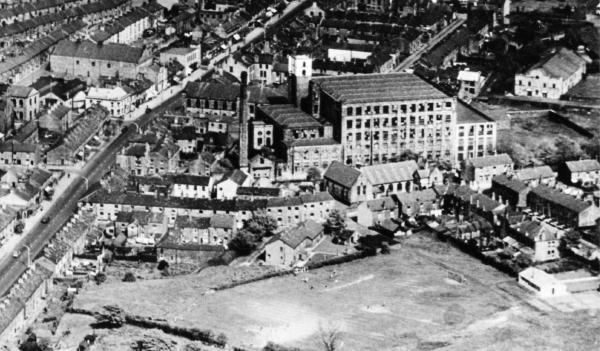
Introduction The Glossop’s Lost Mills series was first published on Facebook in July-November 2020 In 1771, at Cromford, Richard Arkwright built the first powered cotton
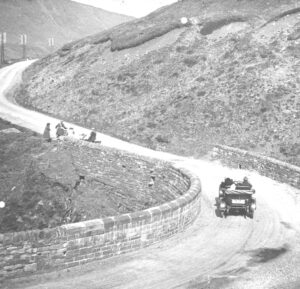
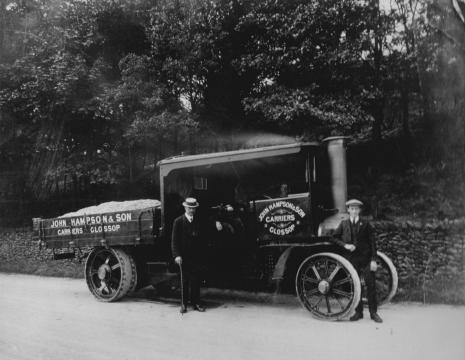
An article written by Roger Hargreaves in celebration of the 200th Anniversary of the Snake Pass, 23 August 2021. In the Industrial Revolution the cotton