Railways
The Story of Lord Howard’s Railway
This article was written by Mrs. K. Danby of Fitzalan Street, Glossop in the early 1990s. The original printed text was displayed on boards in

This article was written by Mrs. K. Danby of Fitzalan Street, Glossop in the early 1990s. The original printed text was displayed on boards in
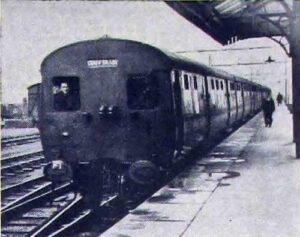
The first use of electric traction on railways in the UK was as long ago as 1883, with the opening of Volk’s pleasure line in
In 1866 Thomas Bouch, who would later design and build the first Tay Railway Bridge (and was subsequently blamed for its collapse), published plans for
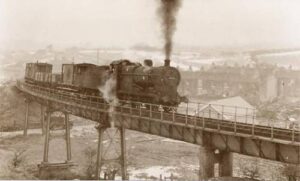
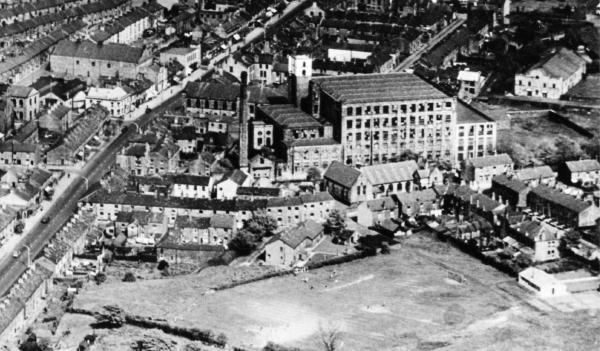
The Waterside Branch opened in 1879 to serve the Hadfield mills and Dinting Printworks. These aerial views provide an idea of the layout of the
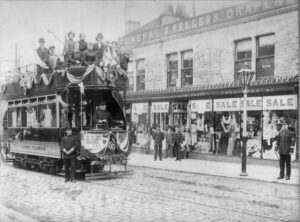
A copy of the photograph below was published in the Glossop Chronicle of 13th February 1953, under the heading “This picture was taken 50 years
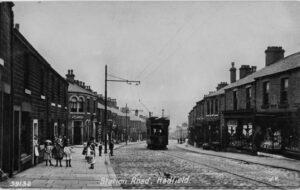
Towards the end of the 19th century the railway had been in place for 50 years or so but there was no public transport serving
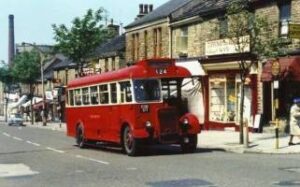
In the early 1890s the Glossop Carriage Company started to run a horse drawn bus from the Norfolk Hotel to the Commercial Inn at Bankbottom
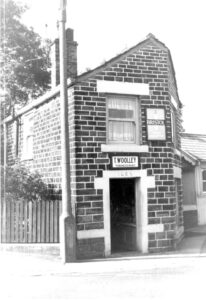
Before the Industrial Revolution the people of the townships in the Ancient Parish of Glossop could travel only by farm lanes, many of which still
Country Tradesmen attending Manchester market from the Glossop area William Audenshaw, Mottram, woollen clothier, Cloth hall Thomas Chadwick, Mottram, woollen clothier, Cloth hall John Collier,
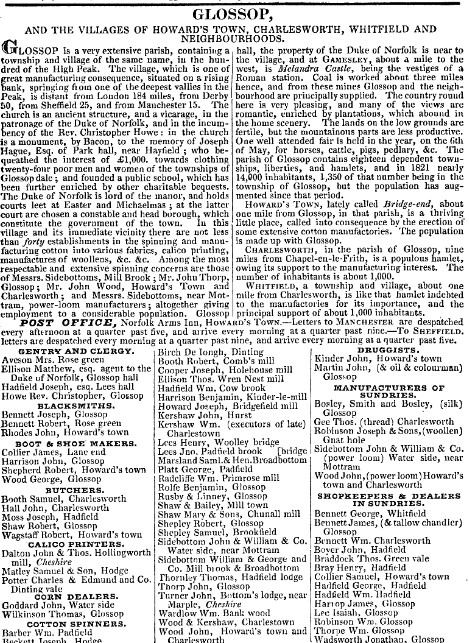
Entries for the area of the Ancient Parish of Glossop GLOSSOP AND NEIGHBOURHOOD POST OFFICE – Samuel Allington, Post Master. The Royal Mail, to Manchester,