
2000 Years of Traffic. Part 11 – A Road To Ruin
In the early 1800s a stagecoach, even when overloaded (as they often were) and weighing over two tons, could still maintain a steady 15 mph
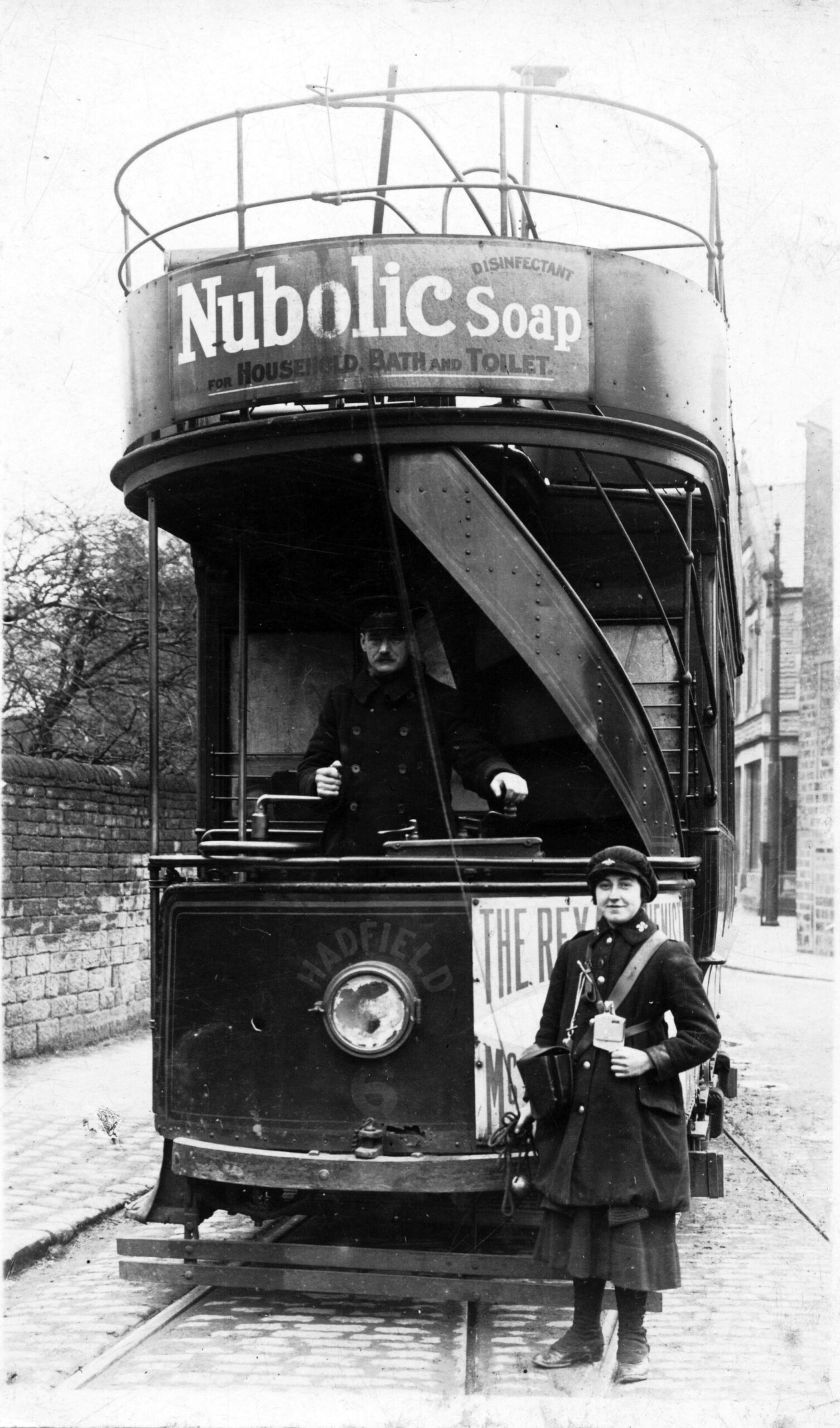
Buses and Trams – Articles on Glossop’s Red Buses and Glossop’s Tramways
Roads – Doctor’s Gate and the Glossop Turnpike Roads
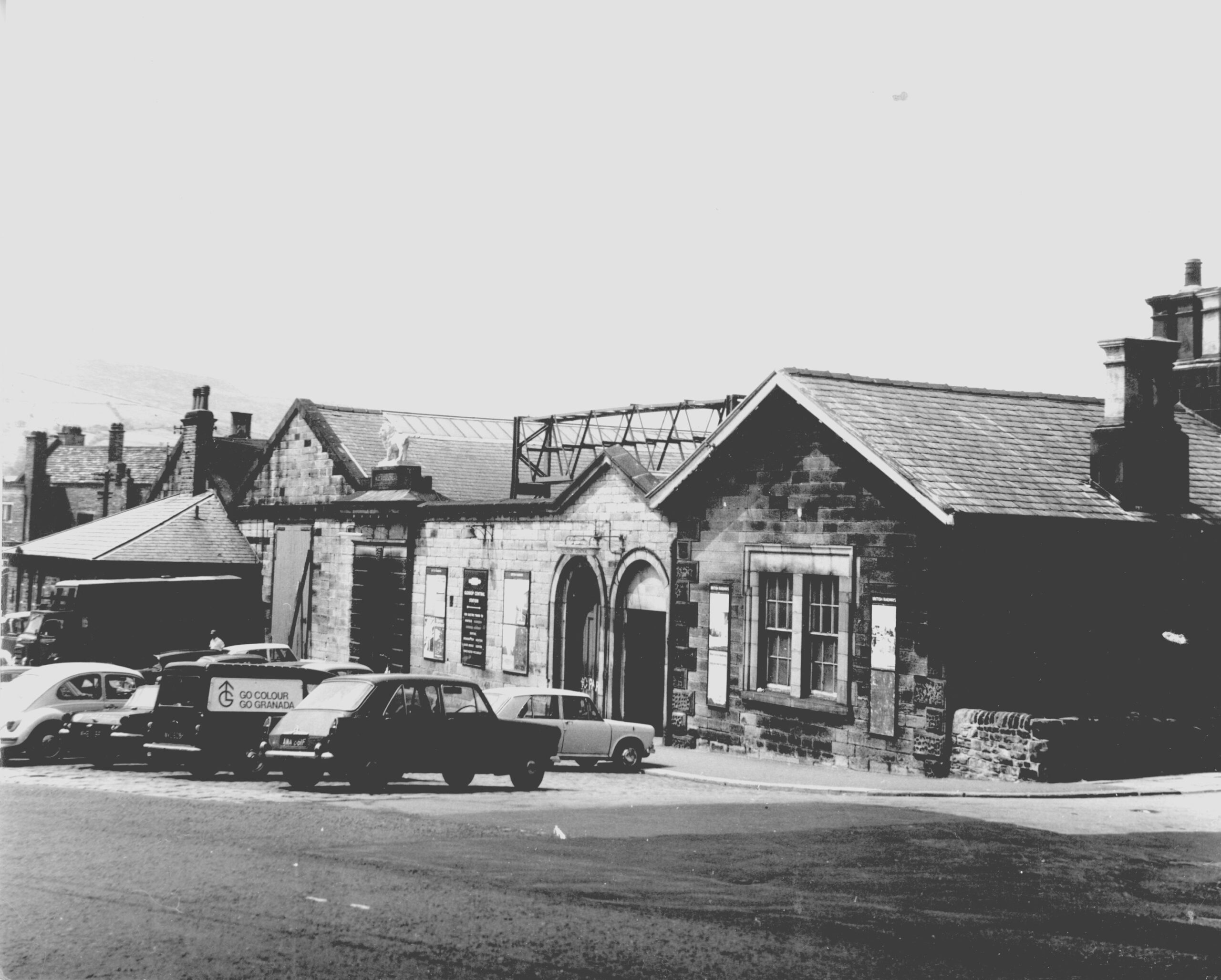
Railways – Articles about the Railways in Glossop including the Glossop and Waterside branch lines and electric trains.
In the early 1800s a stagecoach, even when overloaded (as they often were) and weighing over two tons, could still maintain a steady 15 mph
When the Manchester-Saltersbrook turnpike was first built in the 1730s it ran past fields and farms and through small villages whose residents spun and wove
In the early 1800s the cotton industry, centred on Manchester, depended on Sheffield for sharp steel blades to cut the yarn and the cloth. However,
By the late 1790s it was easy to get from (Old) Glossop to Manchester on good roads, but the turnpiked route to Stockport was through
Even as work was starting on the Chapel-Enterclough turnpike (Part 6), a proposal was made to revive another of the ancient routes across the Manor
New roads attract traffic. For centuries the Manor of Glossop had been criss-crossed by long-distance packhorse routes – from the East Midlands to Lancashire, from
In 1732, the existing road in winter being “in many places impassable to waggons and carriages”, 93 merchants and landowners obtained from Parliament power to
After the Romans, the first road builders locally were the monks of Basingwerk Abbey, which held the Manor of Glossop till 1433. They didn’t, though,
Salt is now out of fashion. However, until the 18th century it was a vital household commodity. Farmers couldn’t feed all their livestock through winter
We’re not the first to think our roads aren’t fit for purpose. In the 17th century there were lots of complaints that they were narrow,