2000 Years of Traffic. Part 1 – All Roads Lead to Melandra
Around 70 AD the Brigantes, the dominant tribe in Northern England, rebelled against the Romans. To contain and then suppress them the Roman army built

Around 70 AD the Brigantes, the dominant tribe in Northern England, rebelled against the Romans. To contain and then suppress them the Roman army built
INTRODUCTION Victorian romantics painted pre-industrial Glossopdale and Longdendale as a remote, inaccessible, largely uninhabited wilderness. It’s true there weren’t many people, but those there were
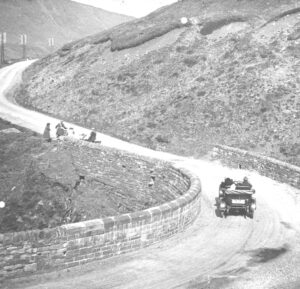
An article written by Roger Hargreaves in celebration of the 200th Anniversary of the Snake Pass, 23 August 2021. In the Industrial Revolution the cotton
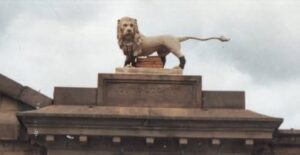
This article was written by Mrs. K. Danby of Fitzalan Street, Glossop in the early 1990s. The original printed text was displayed on boards in
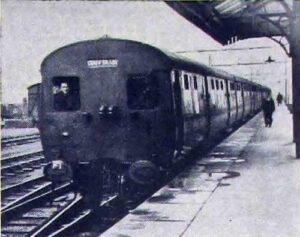
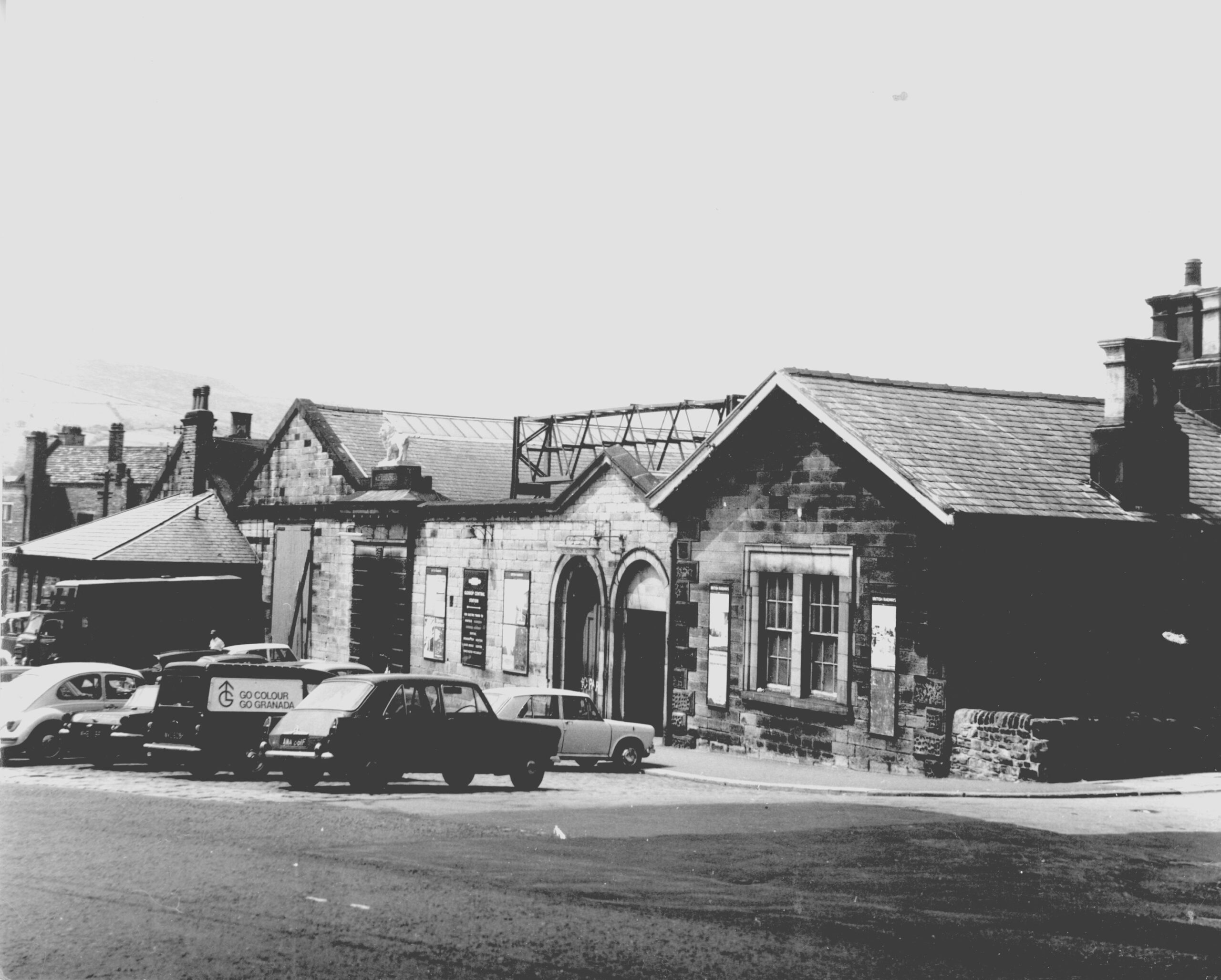
The first use of electric traction on railways in the UK was as long ago as 1883, with the opening of Volk’s pleasure line in
In 1866 Thomas Bouch, who would later design and build the first Tay Railway Bridge (and was subsequently blamed for its collapse), published plans for
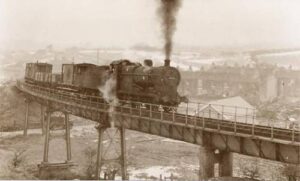
The Waterside Branch opened in 1879 to serve the Hadfield mills and Dinting Printworks. These aerial views provide an idea of the layout of the
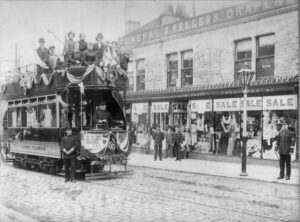
A copy of the photograph below was published in the Glossop Chronicle of 13th February 1953, under the heading “This picture was taken 50 years
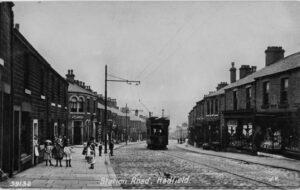
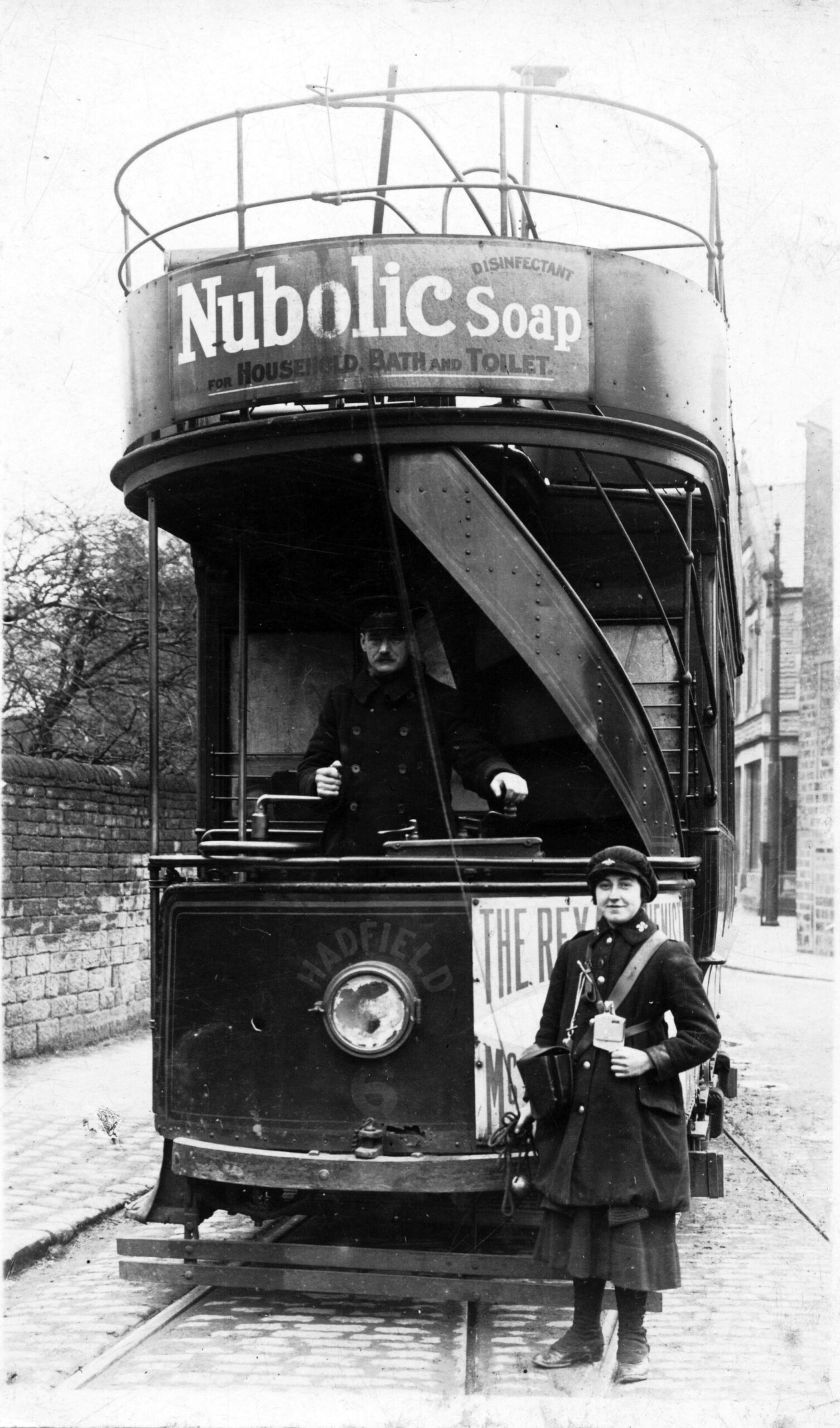
Towards the end of the 19th century the railway had been in place for 50 years or so but there was no public transport serving
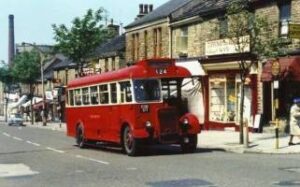
In the early 1890s the Glossop Carriage Company started to run a horse drawn bus from the Norfolk Hotel to the Commercial Inn at Bankbottom