





Glossop
St Mary Crowned, Glossop
Sumner Street (Roman Catholic) The Church was erected in 1882 at a cost of £17,000 on a site donated by Lord Howard. It was paid

Sumner Street (Roman Catholic) The Church was erected in 1882 at a cost of £17,000 on a site donated by Lord Howard. It was paid
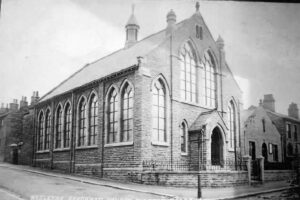
Howard Street (Wesleyan Methodist) The original School and Chapel were erected at a cost of £1,000. The Chapel was opened on 5th November 1854 with
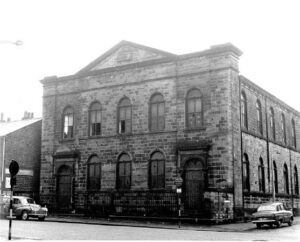
High Street West (Wesleyan Methodist) This is by far the largest Chapel on the Circuit centrally situated, and known to Glossopians of all denominations as
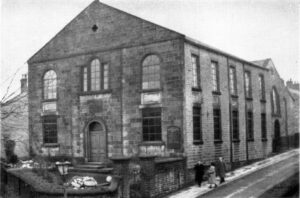
Shrewsbury Street (Primitive Methodist) Prior to the building of Shrewsbury Street Chapel the Primitive Methodists worshipped at Greenvale. The present Chapel was erected and opened
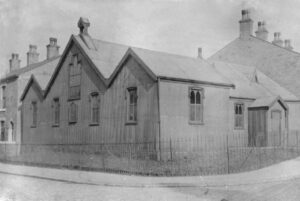
Princess Street (Primitive Methodist) The Princess Street Chapel – the only one on the Circuit not built with stone – was erected in 1893, shortly
Primitive Methodist Chapel Greenvale (High Street West) (Primitive Methodist) Primitive Methodists formed in 1810 built their first Chapel in Glossop at Greenvale near to the
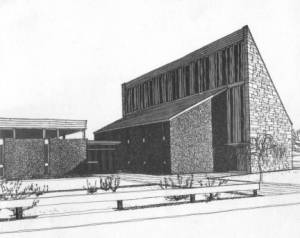
Chapel Street (Methodist) The foundation stone was laid on 26th March 1966 by Rev. W. Walkerlee. The church is built on the site of the
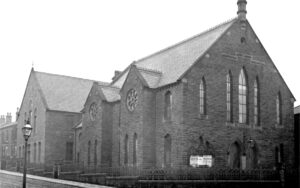
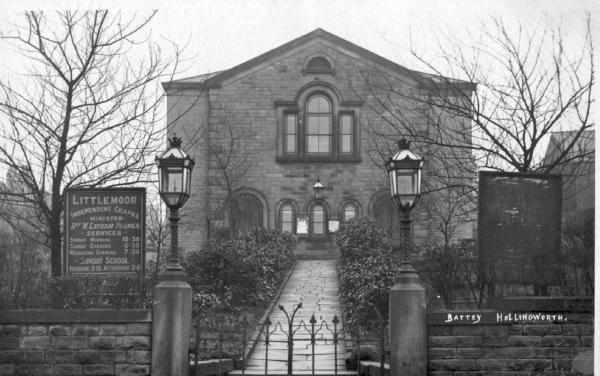
Princess Street / St Mary’s Road (Congregational / Independent) In 1858 , Fourteen people – eight men and six women banded together to form a
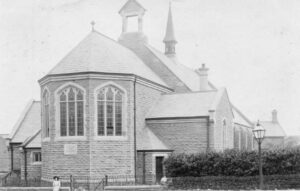
Fauvel Road (Church of England) St. Luke’s is a daughter Church of St. James’s, Whitfield. It had a humble missionary beginning in an upper room
Geoffrey Allen Church Centre Winster Mews (Church of England) Bishop Geoffrey Allen was Bishop of Derby when proposals for the building of the Gamesley estate