




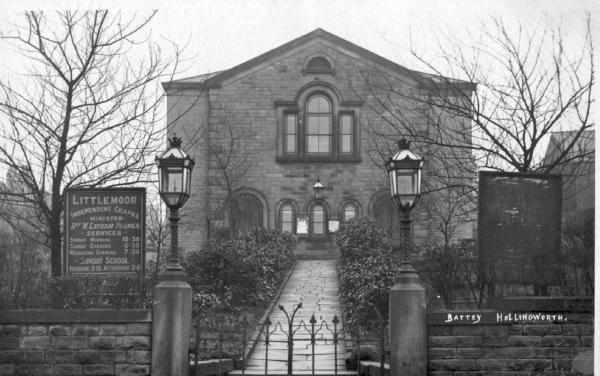
Other Churches and Chapels, Hadfield
Carmel Pentecostal Station Road (Pentecostal) Following an Evangelistic and Divine healing Crusade in October 1968 by the Evangelist R. R. Hicklin, a Pentecostal Chapel was

Carmel Pentecostal Station Road (Pentecostal) Following an Evangelistic and Divine healing Crusade in October 1968 by the Evangelist R. R. Hicklin, a Pentecostal Chapel was
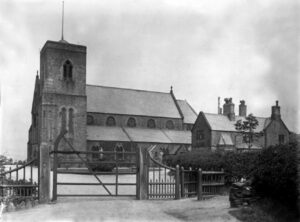
St Charles Roman Catholic Church Woolley Bridge Road (Roman Catholic) Extracts from The story of the church of St. Charles Borromeo, Hadfield by The Very
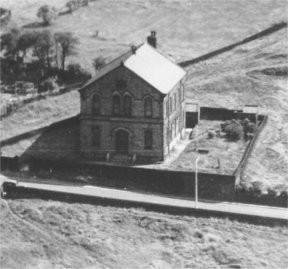
Primitive Methodist Chapel & School Woolley Bridge Road (Primitive Methodist) This Chapel, with School below was built in 1845 at the top of Woolley Bridge
Hadfield Free Methodist Church Station Road (Methodist) In 1875 a group of local people felt the need for a local Free Methodist Chapel in Hadfield.
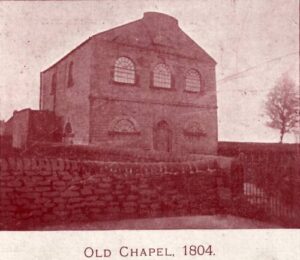
Chapel Lane (Wesleyan Methodist) This was the original Methodist Chapel (later replaced by a new one at Bank Street, Hadfield) and was built in 1804
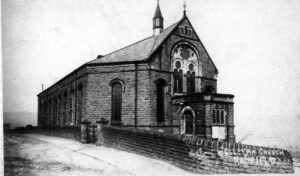
Bank Street (Methodist) Work on the new and imposing Sunday School and Chapel at Bank Top commenced in 1877. On 7th July ten foundation stones
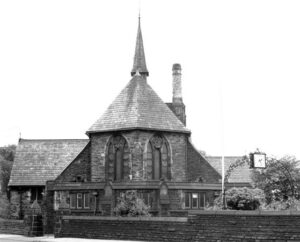
St Andrews Church Street (Church of England) Extracts from Centenary Handbook written by Mr. D. Winterbottom The 1,600 square yards of land given to the

Church Street (Roman Catholic) Glossop Parish Church was the original place of worship for Catholic parishioners, until the Reformation. The Howard family were staunch Catholics and